


Korea has quietly become one of Asia’s most attractive study destinations
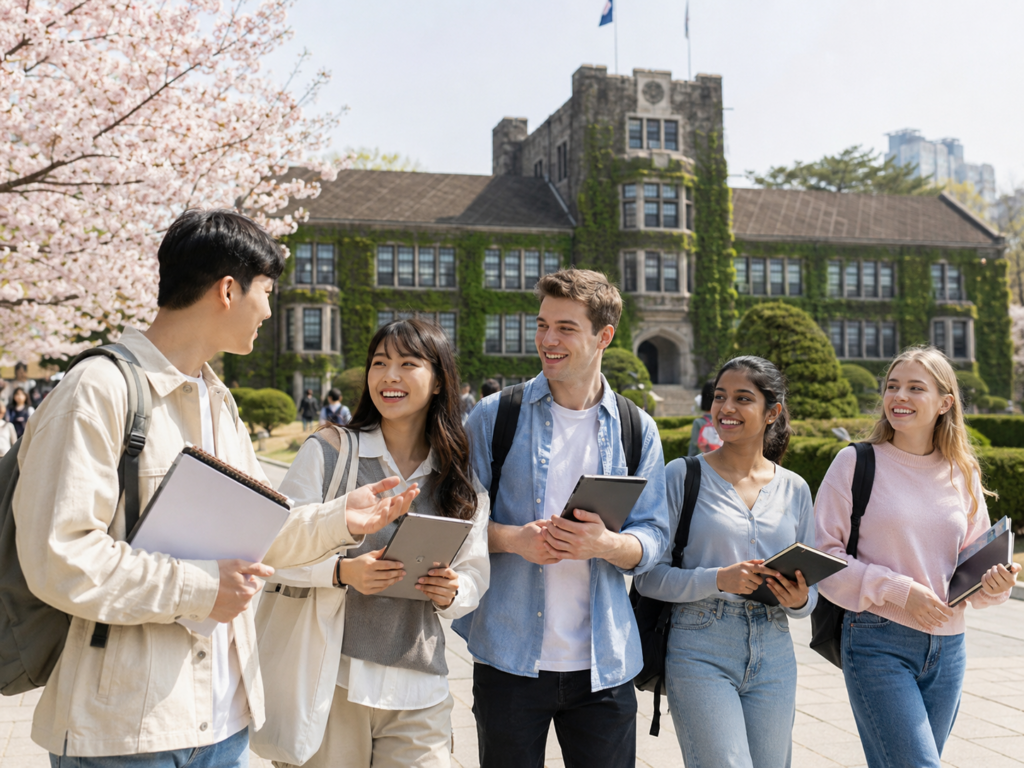
Ten years ago, many international students looking at Asia would automatically think of Japan, Singapore or China.
Today, South Korea has firmly entered that conversation.
International student numbers continue to grow, Korean universities are expanding their international programmes, and the Korean government has set ambitious goals to attract more students from around the world. While Seoul remains the best-known destination, cities such as Busan, Daejeon and Daegu are also gaining attention from students who are looking for a different Korean experience.
South Korea is no longer a niche option for adventurous students. It is becoming one of Asia’s most interesting and dynamic places to study, live and build an international future.
So what is driving this growing interest?
A Strong Education System with Global Recognition
South Korea is known worldwide for the quality of its education.
Universities such as Seoul National University, KAIST and Yonsei University regularly appear in international rankings and have built strong global reputations. Other institutions, including Pusan National University in Busan, Pukyong National University, Dongseo University, Kyungpook National University in Daegu and Chonnam National University in Gwangju, are also attracting growing numbers of international students.
But rankings only tell part of the story.
What makes Korea attractive is the combination of academic ambition, modern campuses, advanced research facilities, strong industry connections and a culture that takes education seriously.
Korea’s success in technology, engineering, manufacturing, design and innovation is closely connected to the strength of its higher education system.
For students who want to study in an environment where academic knowledge meets real-world development, South Korea offers a compelling alternative to more traditional destinations.
A Wide Range of Universities and Study Environments
One of South Korea’s strengths is the diversity of its higher education landscape.
Students can choose from large research universities in Seoul, science and technology institutes in cities such as Daejeon, specialised institutions in fields such as maritime studies or healthcare, and internationally oriented universities across the country.
This matters because choosing a university is not only about choosing a name. It is also about choosing an environment.
Some students want the speed and scale of Seoul. Others prefer the more focused atmosphere of a science city such as Daejeon. Others are attracted to a coastal city like Busan, where university life can be combined with beaches, mountains and a slightly more relaxed pace of life.
That variety gives international students more room to find a place that actually fits them.
Safety Matters More Than Ever
When international students describe their reasons for choosing South Korea, one word appears remarkably often: safety.
For students and parents alike, safety plays an important role when considering a study destination abroad.
South Korea has earned a reputation as one of the safer countries in Asia. Public transport is reliable, cities are generally well-maintained, and students often feel comfortable travelling independently, even late in the evening.
No country is perfect, and every student still needs to make sensible choices. But many international students appreciate the sense of security they experience while living and studying in Korea.
For parents watching from another country, that matters.
More English-Taught Programmes Than Many People Realise
One of the most common misconceptions about studying in Korea is that everything is taught in Korean.
That is no longer the case.
Many universities now offer English-taught bachelor’s programmes, master’s programmes, international colleges, exchange programmes and global tracks designed specifically for international students.
For many students, this means they can begin their academic journey in English while gradually learning Korean and becoming more familiar with the local culture.
Learning Korean remains a valuable advantage. It opens doors socially, academically and professionally. But students do not always need advanced Korean language skills before they can start.
That makes Korea more accessible than many people expect.
A Dynamic Economy Creates Opportunities
Students increasingly view higher education as a pathway to future career opportunities.
South Korea is home to globally recognised companies such as Samsung, Hyundai, LG, SK and many fast-growing technology and innovation-driven businesses. It is also a country where education, industry and government policy are often closely connected.
Universities frequently work with industry partners through internships, research projects, start-up incubators and graduate recruitment programmes.
For students interested in technology, business, engineering, logistics, design or innovation, Korea offers direct exposure to one of the world’s most advanced economies.
Studying in Korea is therefore not only about earning a degree. It can also become a way to understand how one of Asia’s most innovative economies actually works from the inside.
Scholarships and Government Support
The Korean government sees international education as a strategic priority.
Over the coming years, Korea wants to welcome more international students and researchers while improving support systems and study opportunities.
Scholarships can play an important role in that process. The best-known example is the Global Korea Scholarship, but many universities also offer their own scholarships, tuition reductions, departmental support or research assistant positions.
Compared with several English-speaking study destinations, Korea can offer an attractive balance between educational quality and affordability.
That does not mean studying in Korea is cheap for everyone. Students still need to plan carefully. Tuition, housing, insurance, food, transport and visa requirements all matter.
But for students who compare value for money, Korea is increasingly part of the serious shortlist.
Korea Offers More Than K-Pop
Let’s be honest.
For many students, their first introduction to Korea comes through K-pop, K-dramas, Korean food or Korean culture.
There is nothing wrong with that.
In fact, cultural curiosity is often the first step towards a much deeper experience.
But the Korea students discover after arrival is broader than the image they may have seen online. It is a country of ancient temples and futuristic skylines, mountain trails and late-night study cafés, traditional markets and advanced technology.
The cultural attraction may bring students closer to Korea.
The academic opportunities, personal growth and everyday experience are often what make them stay interested.
Looking Beyond Seoul: Why More Students Are Discovering Busan
As the capital city, Seoul offers a huge concentration of universities, businesses, cultural attractions and international networks.
When international students begin researching South Korea, Seoul naturally receives most of the attention.
Yet South Korea has much more to offer.
Busan, the country’s second-largest city, is increasingly attracting international students who are looking for a different balance between academic opportunities and quality of life.
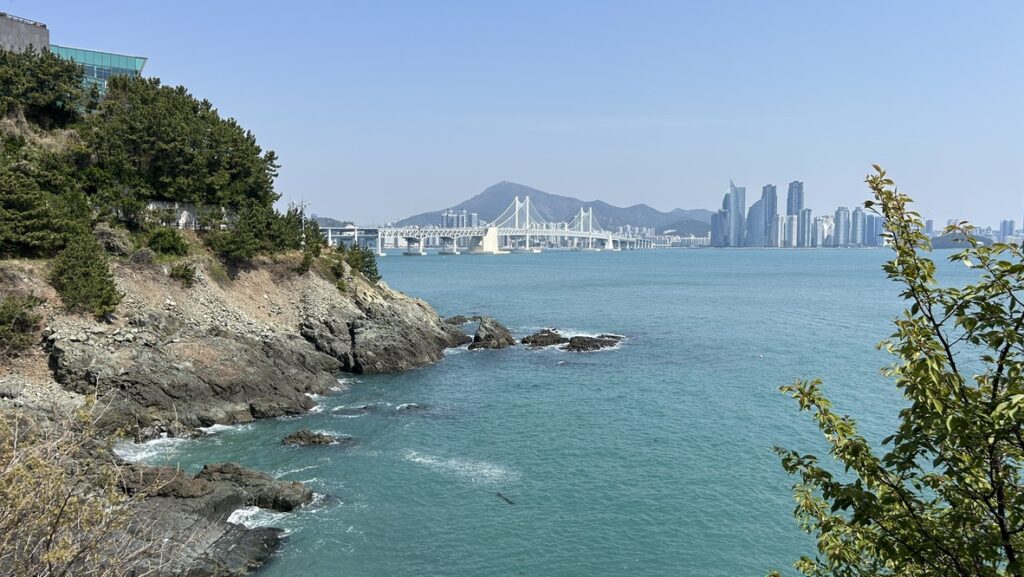
Located on Korea’s southeastern coast, Busan combines urban energy with beaches, mountains, waterfront districts and a more relaxed atmosphere than many students associate with the capital.
The city is home to a diverse group of universities, including Pusan National University, Pukyong National University, Korea Maritime & Ocean University, Dong-A University, Dongseo University, Busan University of Foreign Studies, Silla University, Kyungsung University and Tongmyong University.
Together, these institutions cover a wide range of fields, from engineering, maritime studies and logistics to business, media, design, languages and international relations.
Many students also discover practical advantages.
Compared with Seoul, living costs can be lower. Housing may be more affordable, commuting times are often manageable, and access to nature is never far away.
For students seeking an authentic Korean experience in a major international city, Busan deserves serious consideration.
Looking Ahead
Choosing a study destination has become more complex than ever.
Students today compare countries not only on academic reputation, but also on affordability, safety, quality of life, career opportunities and long-term prospects.
South Korea may not be the right choice for everyone.
But for students who are looking for a safe, innovative, internationally connected and culturally fascinating environment, it has become one of the most attractive study destinations in Asia.
And judging by current trends, its popularity is likely to continue growing in the years ahead.
Thinking about studying in South Korea?
Explore our university guides, discover different cities and programmes, or contact KoreaStudyGuide for a free orientation conversation about your options.
